

What Is a Counter-Narrative and How Does It Work?
Every contested public story eventually attracts a response. Some responses correct facts. Others try to change what the story means. That second kind has a name, a research literature and a method behind it. It also has a track record that is more mixed than most campaign decks admit. This guide covers the definition, the mechanism, the evidence and the method.
Threat Actors in the Information Environment: How They Operate
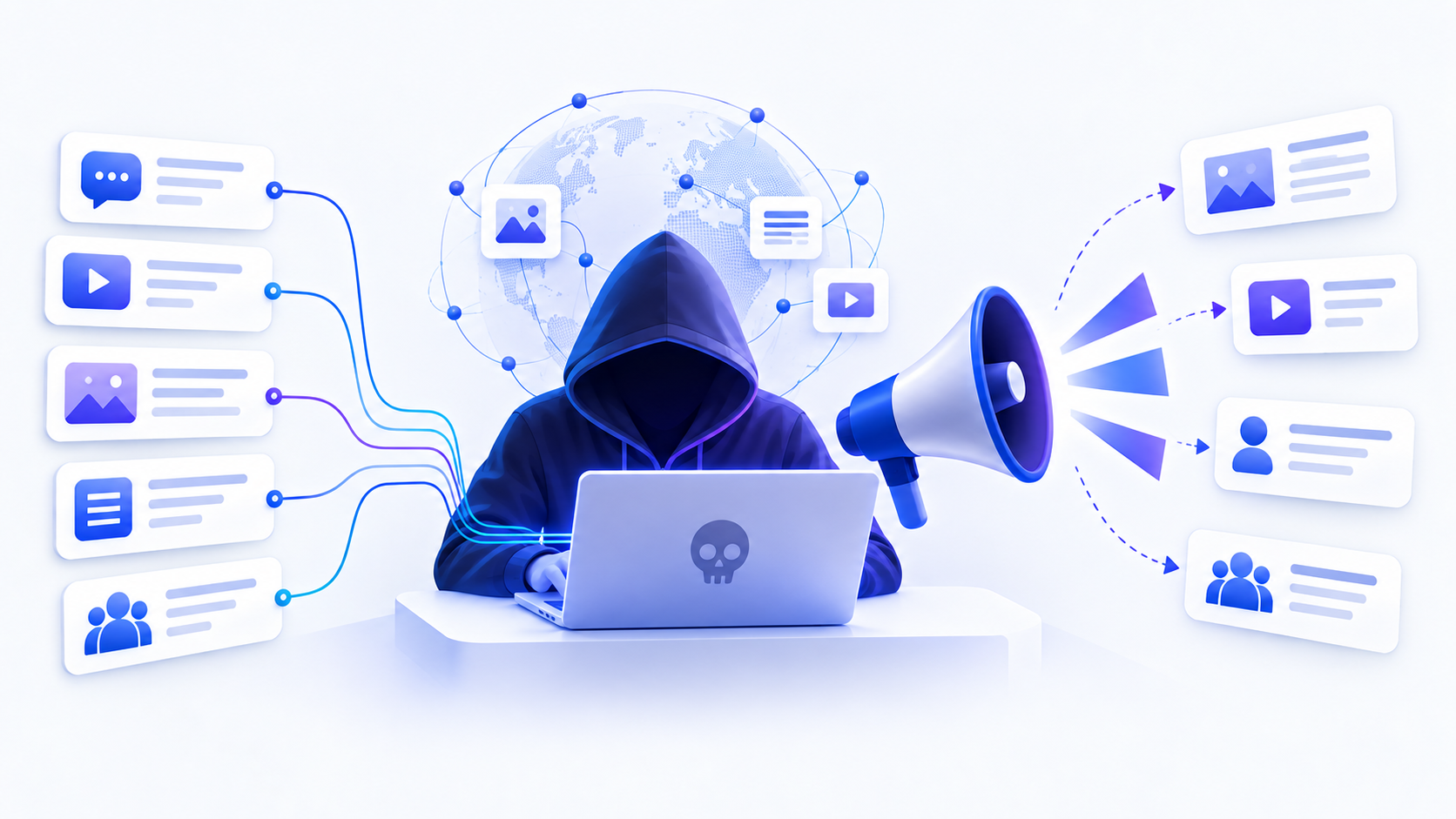
Harmful narratives rarely arrive by accident. When a false claim spreads about a brand, an election or a public institution, someone usually put it there. Analysts call that someone a threat actor. The term comes from cyber security, but it now covers a wider threat landscape: actors who attack perceptions rather than networks.

PESO Model vs NIIS Model: What PESO Measures and What NIIS Adds
The PESO model has organised communications planning for over a decade. It tells you where a message went and who controlled the channel – and nothing about what the audience did next: whether anyone remembered, searched, or found something worse.
Evolving From Brand Protection to Narrative Protection
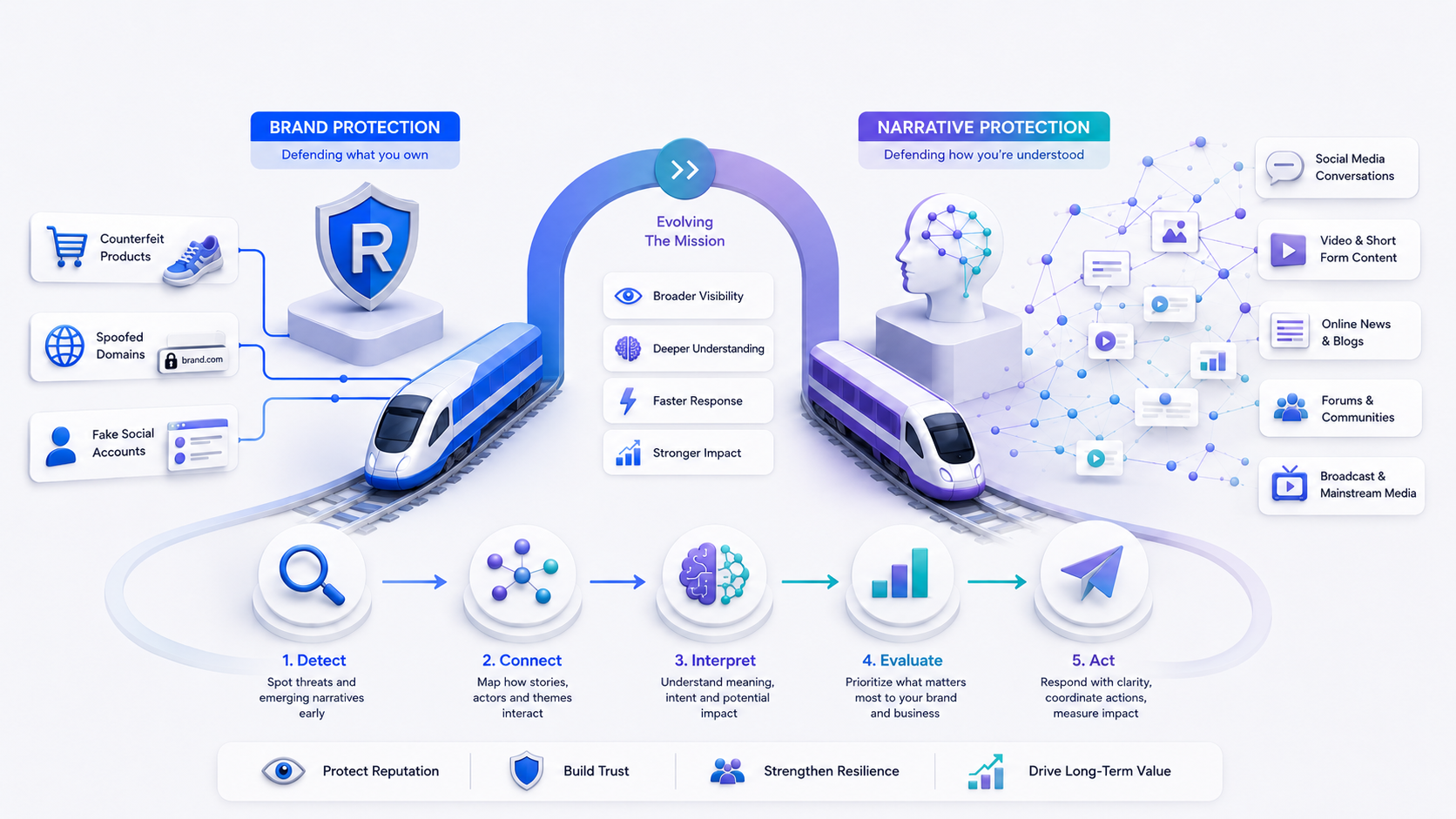
Most brand protection strategies rest on a quiet assumption: the threats that matter are things you can point to. A counterfeit product, a spoofed domain, a stolen logo. Point, prove ownership, remove. That logic works, and every brand owner needs it. But a second layer of risk carries no stolen asset and no infringement, yet drains brand value anyway. This guide to brand protection maps both layers and argues the discipline must evolve from defending what you own to defending how you are understood.
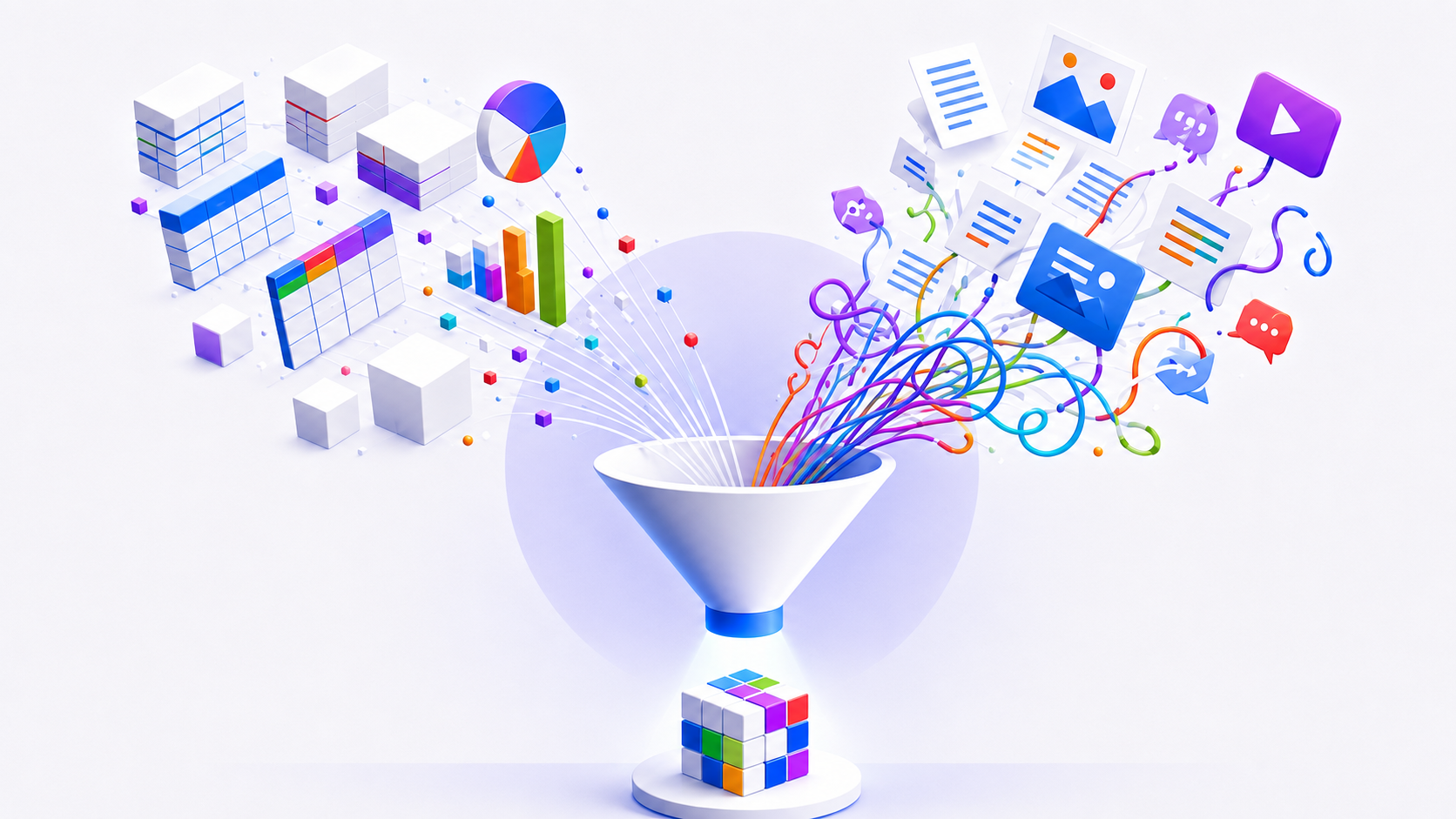
Structured vs Unstructured Data: Key Differences Explained
Every organisation holds two kinds of information, and most teams only put one of them to work. The split between structured and unstructured data shapes which questions a business can answer, what data storage costs, and which skills the analytics team needs. This guide explains both data types, sets out their key differences, and shows how AI now turns the messy majority into something useful.
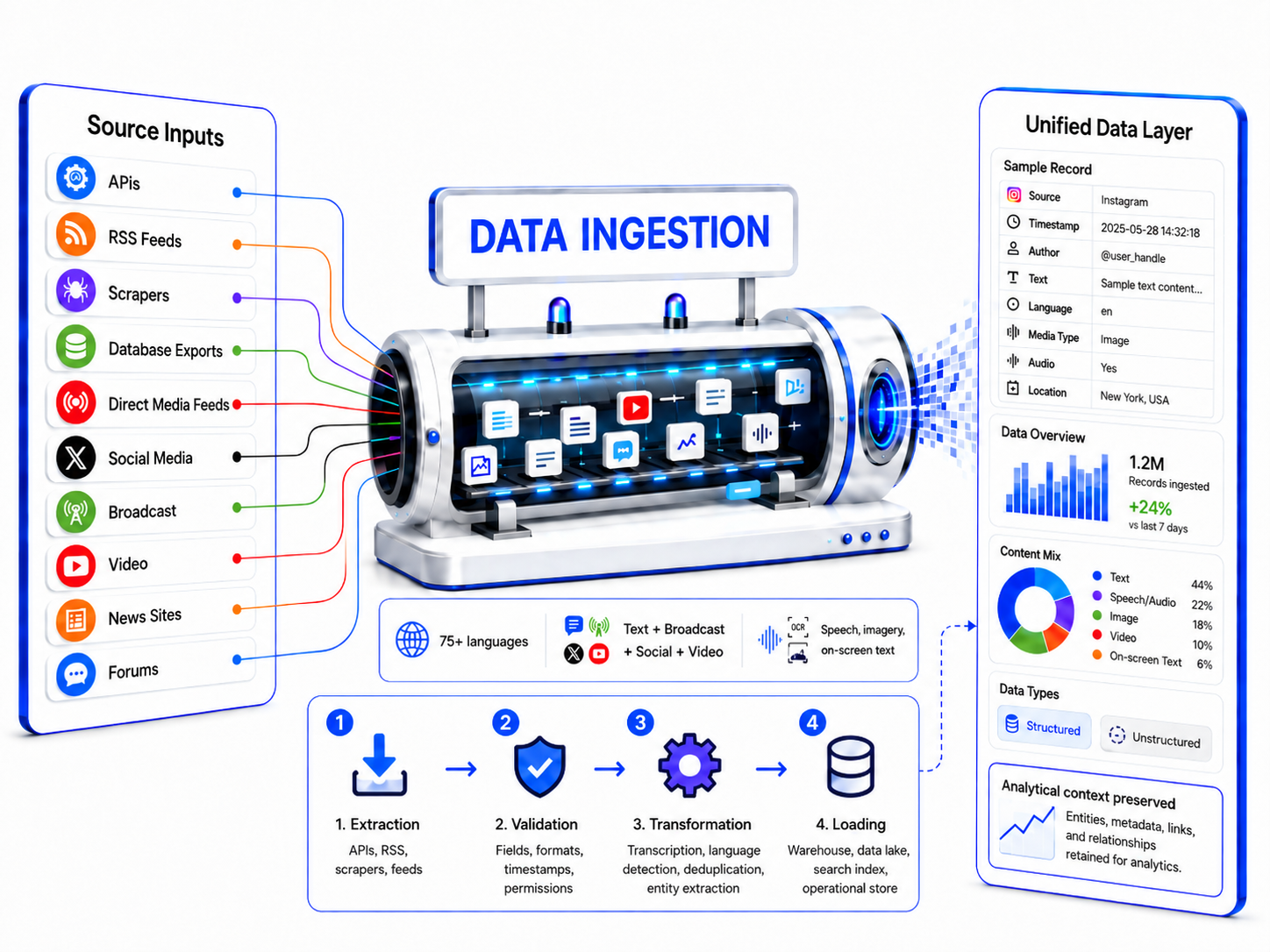
Turning Chaos into Signals: Data Ingestion in Cross-Media Monitoring
Every newsroom, brand, and government agency drowns in noise before it finds a useful signal. Somewhere between a social post, a TV segment, and a forum discussion sits the information a team needs. Data ingestion pulls that information into a system where it can be stored, processed, and analyzed.
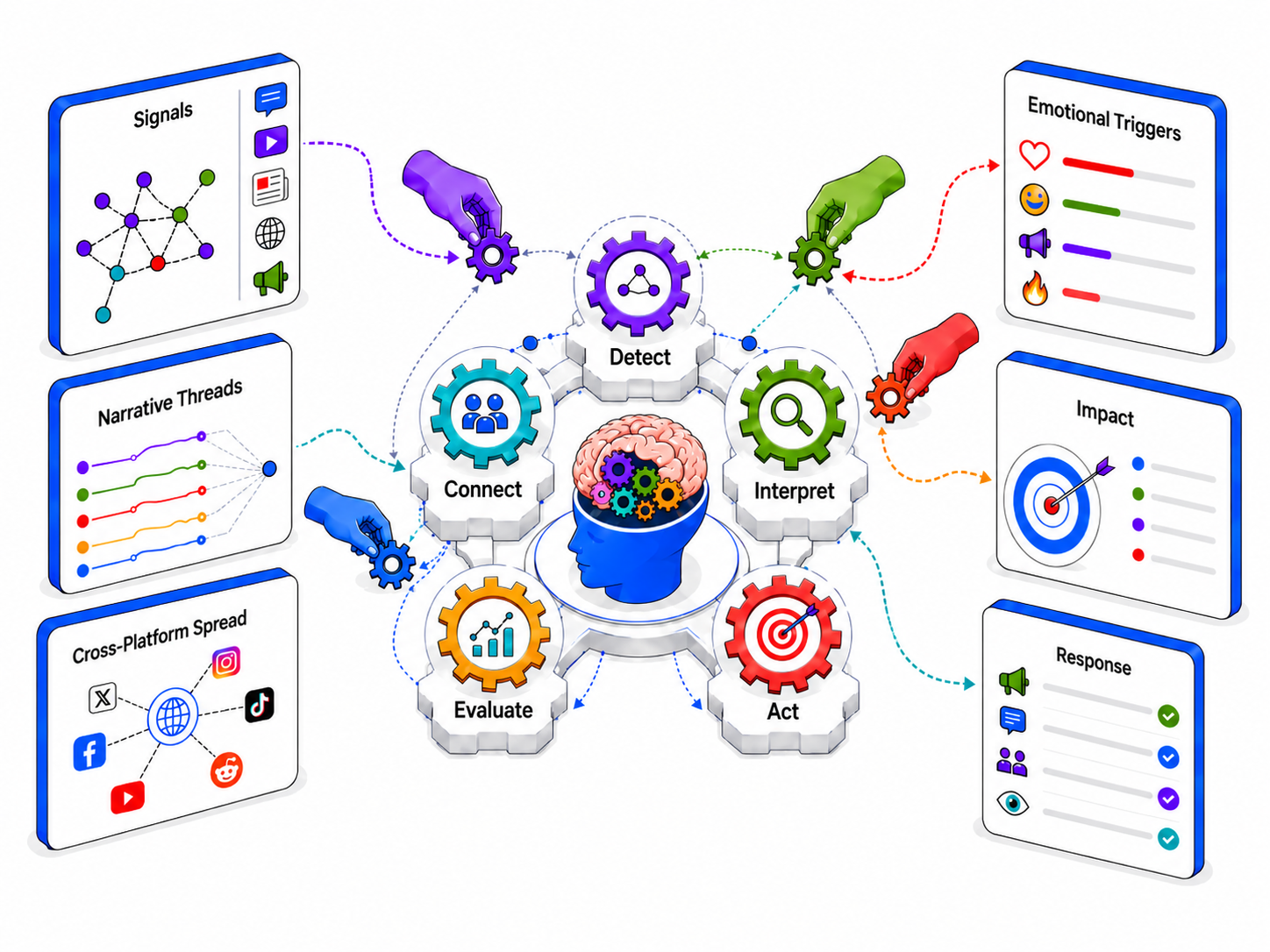
What Is Narrative Intelligence?
Most organisations can track mentions, sentiment, and coverage. Far fewer can explain which interpretation of events is gaining ground.
That gap matters. The EEAS documented 540 foreign information manipulation incidents in 2025, nearly half linked to elections, protests, or crises.
Meanwhile, the Reuters Institute found that 65% of respondents consumed social video news, while the World Economic Forum ranked misinformation and disinformation as the leading short-term global risk for the second year running.
Narrative intelligence helps leaders see which claims are gaining traction, who is amplifying them, and how they move across communities and platforms.
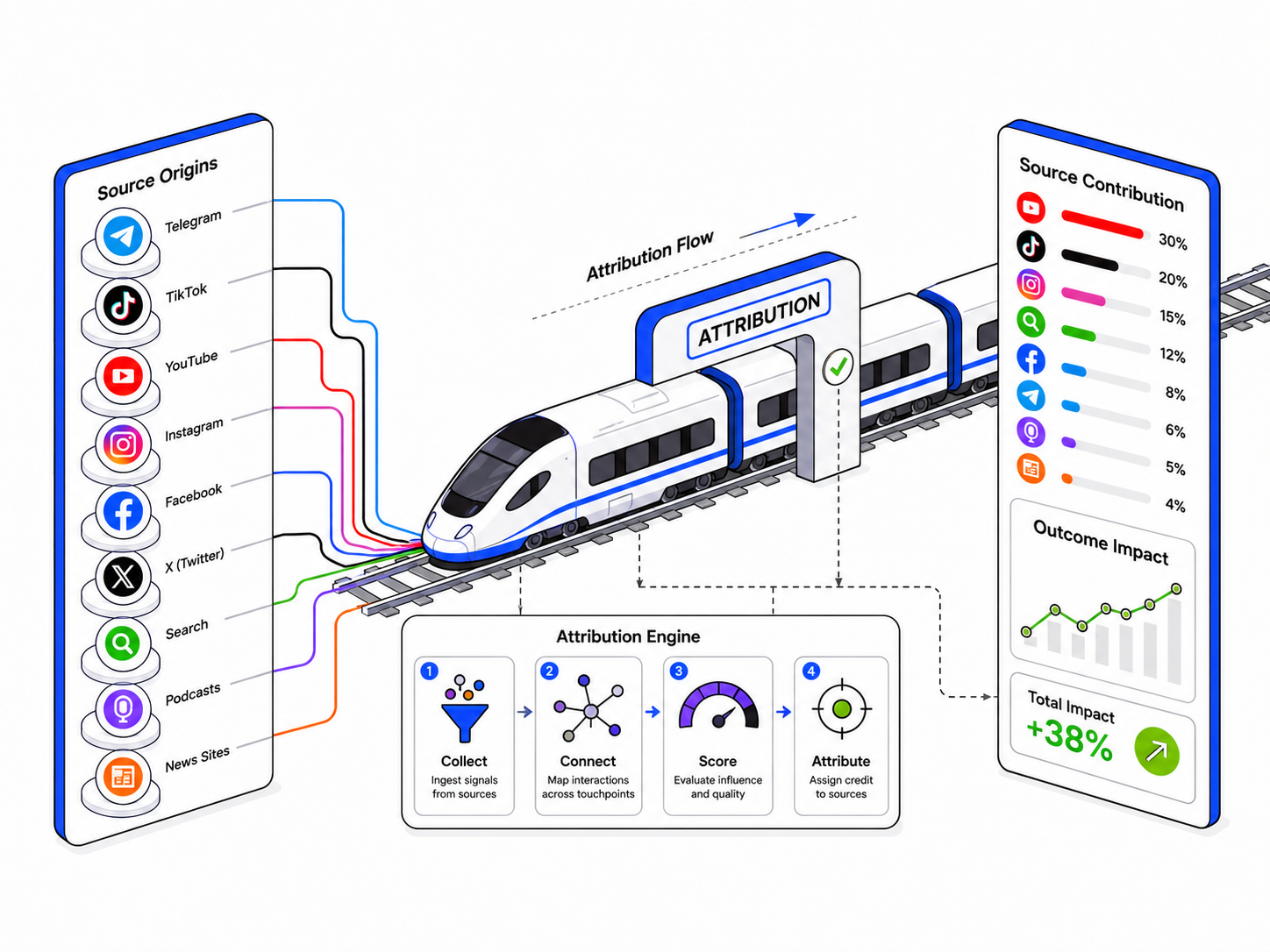
Data Source Attribution Techniques for Mapping Brand Narratives
Brand narratives increasingly move across multiple platforms, from TikTok and Telegram to YouTube, online news, and broadcast media. As social video becomes a more influential source of information, organisations need to understand where stories begin, how they are reframed, and which sources drive their spread. Data source attribution provides this visibility, helping teams trace narrative movement, evaluate influence across channels, and make better-informed marketing and communication decisions.
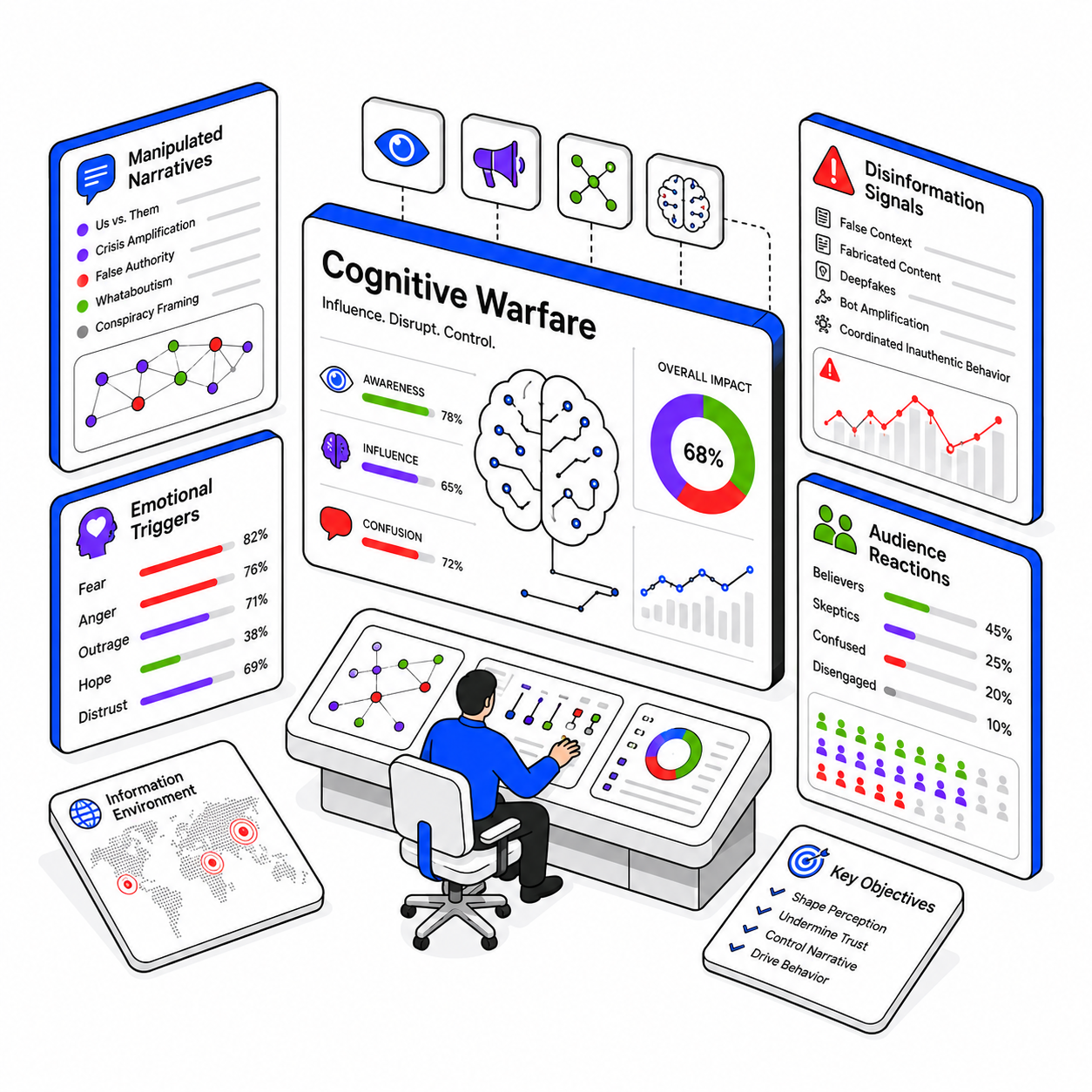
What Is Cognitive Warfare in Modern Information Wars?
Wars were never limited to missiles, tanks, and troops on the ground. Rhetoricians in Ancient Greece understood that shaping perception could be as decisive as any battle (Henschke, 2025). What is unprecedented today is the technological infrastructure behind these timeless strategies. It allows them to scale globally in real time and target civilian populations as easily as military ones.
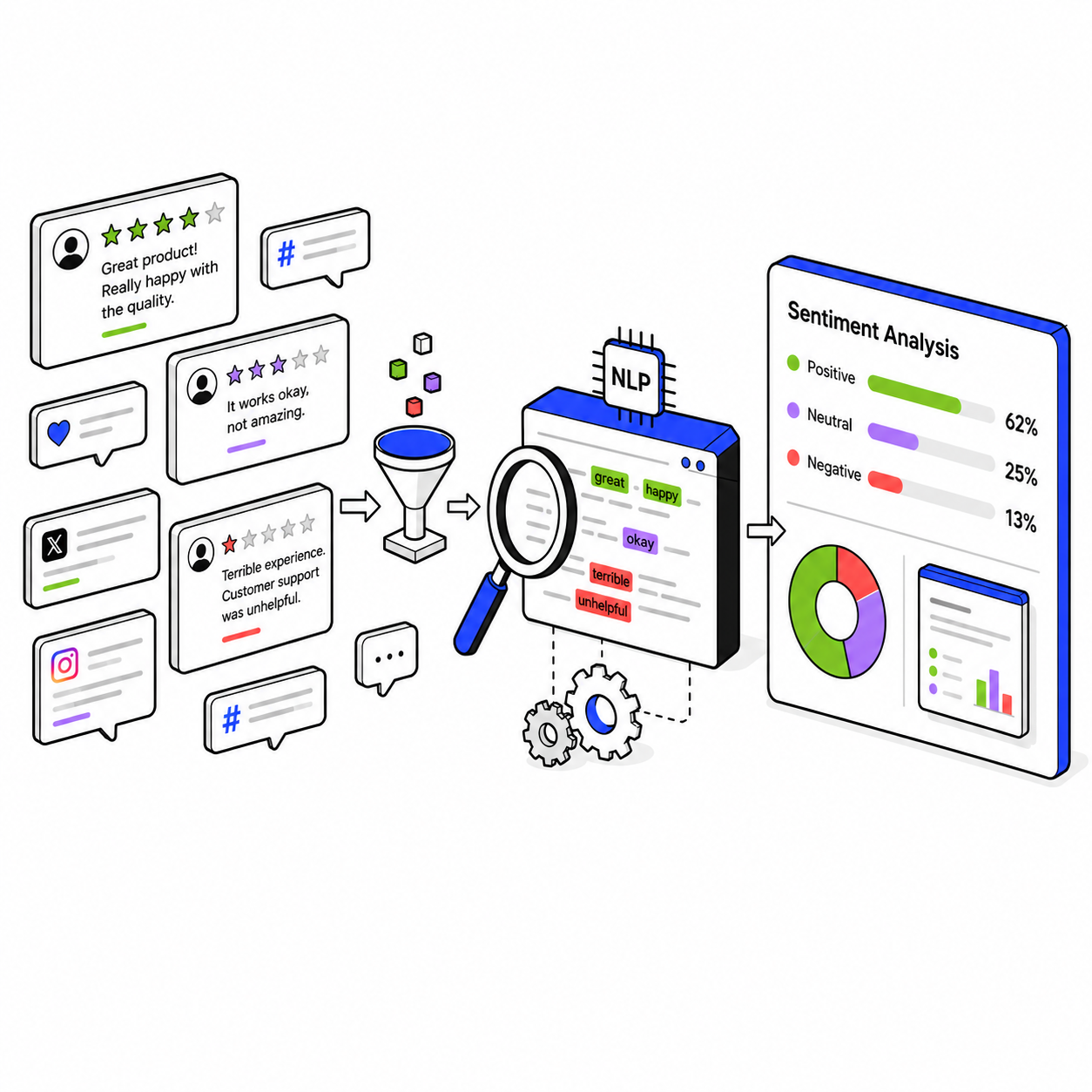
What Is Sentiment Analysis and How It Helps Decode Complex Narratives
In the era of social media and digital information overload, emotion has become the dominant currency - and attention its exchange. In this environment, what people feel often matters more than what is true. Understanding sentiment is therefore no longer optional - it is essential.