
Case Study
Information Front:
The Ecosystem of Disinformation and Propaganda in Lithuanian Media
Problem
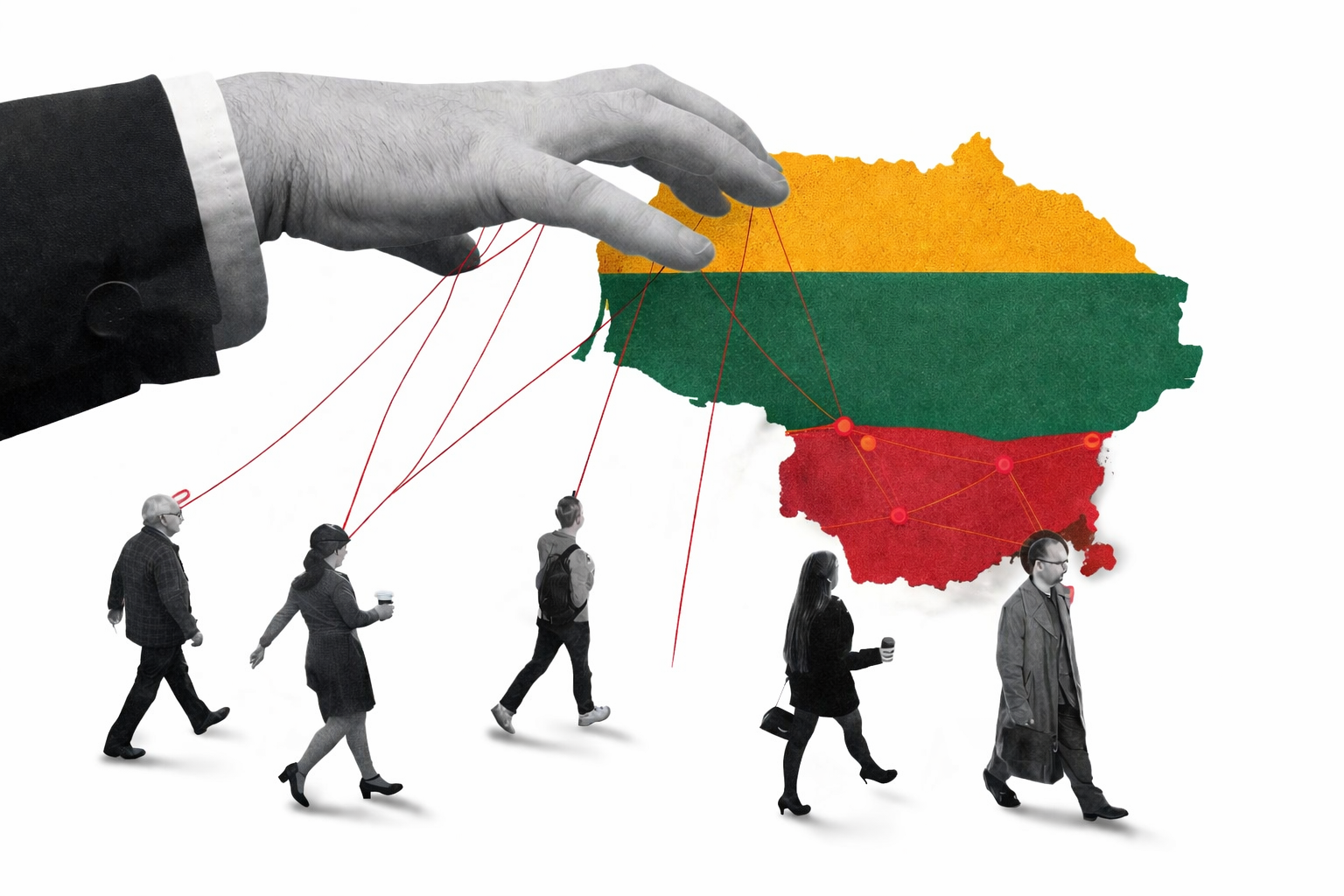
Lithuania faces a systemic and adaptive disinformation environment in which influence is decentralized yet coordinated, localized yet externally aligned, and driven more by emotion than facts.
Narratives originate on platforms like Telegram and spread across Facebook, YouTube, and short-form video channels, where they are amplified, reshaped, and embedded into public discourse through local intermediaries - making them appear organic and harder to detect. This ecosystem is reinforced by coordinated campaigns, high levels of polarization, and emotionally charged content, including hate speech and conspiracy narratives, which dominate comment sections and video platforms.
As a result, disinformation is not an isolated phenomenon but a self-sustaining system, while current monitoring approaches remain reactive and insufficient to capture its cross-platform, narrative-level dynamics.
Our Research
In partnership with the Lithuanian Radio and Television Commission (LRTK), Repsense deployed full-spectrum narrative intelligence across Facebook, YouTube, Telegram, and TikTok. The study analysed 68,382 content items in total — including 19,010 Telegram posts, 28,460 Facebook comments, and 43,934 short-form videos. Methods included NLP-based clustering, narrative co-occurrence analysis, Named Entity Recognition, sentiment and hate speech detection, deep video analysis combining audio and visual recognition, and temporal coordination detection.
Findings
Lithuania’s information space is shaped by a coordinated, multi-platform disinformation ecosystem rather than isolated content. This ecosystem is structured, not random:
Telegram serves as the origin of geopolitical narratives (with ≥54% pro-Kremlin content), which are then amplified and justified on Facebook and YouTube, where emotional engagement drives polarization, while TikTok and other short-form video platforms accelerate emotional responses and host the highest levels of hate speech, particularly among younger audiences.
These narratives continuously circulate, adapt, and reinforce each other across platforms. Crucially, influence is localized and disguised, as narratives are spread through local intermediaries, increasing both their credibility and resilience. This enables systemic manipulation of public discourse, where coordinated campaigns (such as “peace” framing) align with strategic objectives, antisemitism and conspiracy narratives are deeply embedded (reaching up to 47%), and polarization is actively engineered to eliminate neutral ground.
The highest-risk vectors are comment sections and short-form video, with comments serving as the primary battleground for narrative uptake and short-form content acting as the fastest and most emotionally effective distribution channel. While traditional media remains largely resilient, a critical strategic gap persists: institutions operate reactively, whereas adversarial narratives are adaptive, predictive, and ahead of the cycle.
See the Full Story — From TV to TikTok to Telegram.
Book a demo today and discover how Repsense reveals the narratives shaping business, media, and security.
Dominyka Bernotaitė,
Head of Sales