
Case Study
Phillipines
PROBLEM
In 2025, rising tensions between China, the Philippines, and the United States shaped the Philippine media landscape. Traditional outlets and social platforms became arenas for contested narratives on territorial disputes, foreign influence, and national sovereignty.
OUR RESEARCH
We analyzed 1,074,178 media units, including 287,487 traditional articles and 786,691 social media posts, using a multi-layer narrative-intelligence pipeline. The study indexed content, detected themes, tracked sentiment, and mapped influential actors to see how narratives were produced, amplified, and migrated across platforms.

FINDINGS
Three frames dominated coverage: “Asia’s Ukraine,” South China Sea disputes, and “Philippines as a U.S. puppet.” Traditional media focused on state relations, governance, and security, while social media was more polarized: ~40% of comments criticized U.S.–Philippine relations, and 28% aligned with pro-China or regional solidarity narratives.
Synchronized narrative surges suggest organized amplification involving local voices, boosting networks, and automated engagement. These narratives function strategically to constrain policy, polarize public discourse, and erode trust in institutions.
Understanding these patterns provides a foundation for media literacy, counter-disinformation strategies, and targeted policy interventions. Recognizing how narratives spread and evolve helps mitigate the influence of coordinated messaging on public opinion and governance.
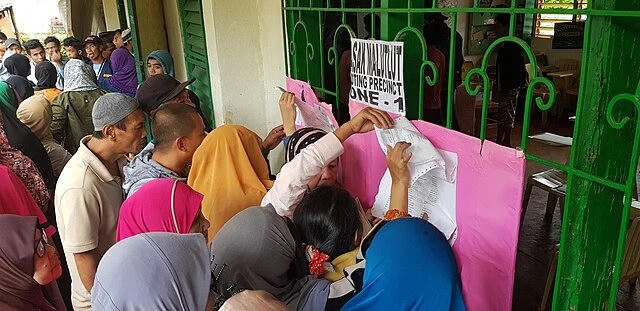
See the Full Story — From TV to TikTok to Telegram.
Book a demo today and discover how Repsense reveals the narratives shaping business, media, and security.
Dominyka Bernotaitė,
Head of Sales