

Case Study
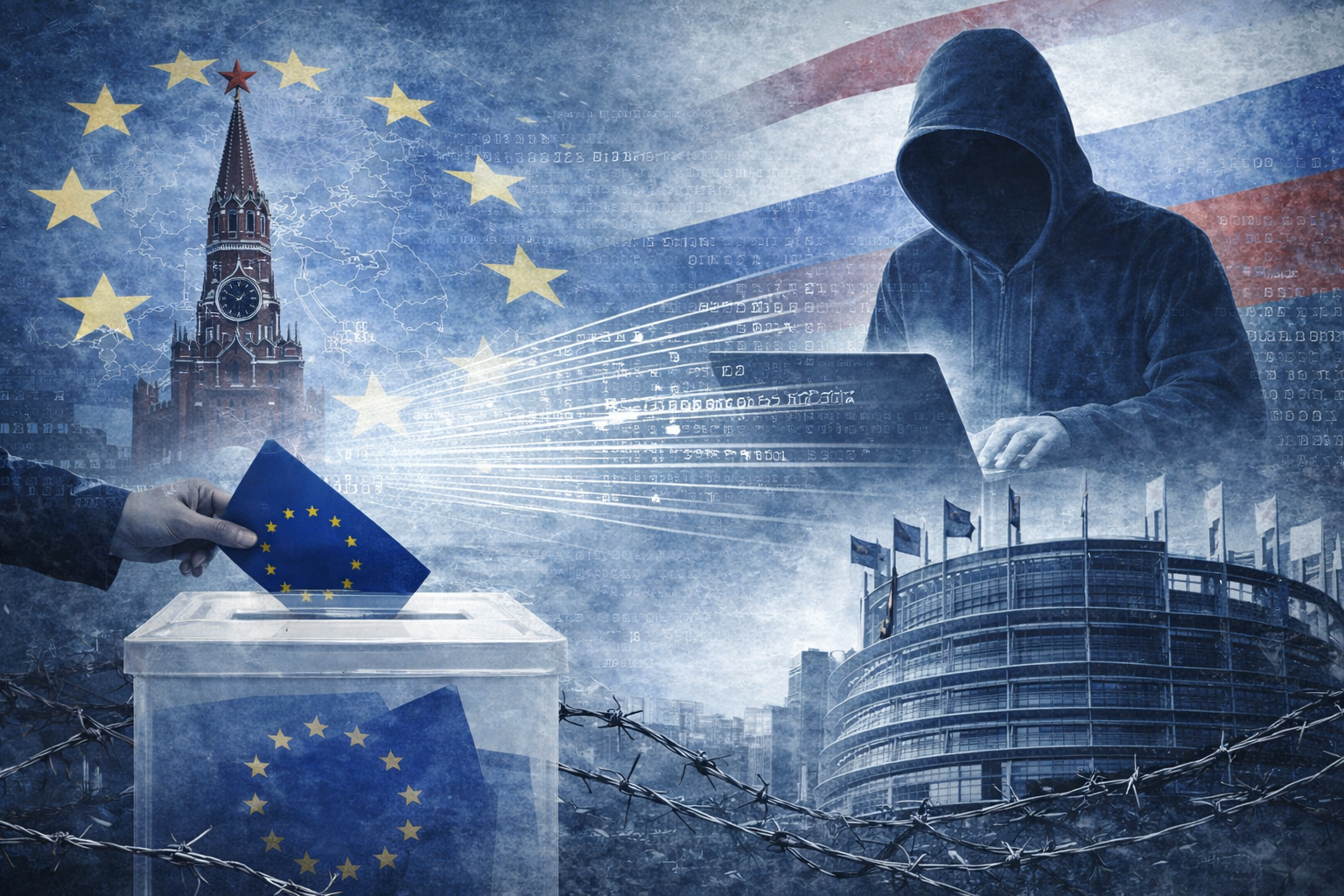
The European Parliament Under Siege: Unmasking Russian Information Warfare
Problem
In an increasingly contested information environment, the European Parliament has become a central target of sophisticated Russian information operations.
Our Research
The study delivers an analysis of Russian narratives targeting the European Parliament and its members from January 2024 to June 2025. Drawing on over 92,700 traditional media items and 7,300 social-media posts from Russian sources — supplemented by narrative tracking in Lithuania and other EU member states.
Findings
Tactics & Amplification
Russian messaging uses a multi-stage disinformation playbook that distorts real news, introduces fabricated elements, and leverages a network of Euro-sceptic voices.
Targeted demonisation of MEPs advocating stronger European defence.
Exploitation of political divisions and scandals to create an impression of dysfunction and disarray.
Dual ecosystem amplification, combining overt state media with covert “independent-sounding” outlets, with Telegram serving as a key channel for emotional escalation.
See the Full Story — From TV to TikTok to Telegram.
Book a demo today and discover how Repsense reveals the narratives shaping business, media, and security.
Dominyka Bernotaitė,
Head of Sales